Solar panels are made up of many photovoltaic cells, usually silicon, that absorb photons from sunlight. When light hits a cell, it knocks electrons loose, creating a flow of direct current (DC) electricity. An inverter then converts that DC into the alternating current (AC) used in your home.
What happens to the electricity you generate?
During the day, your solar system powers your home first. Any excess electricity is sent to the grid, and you may receive a feed-in tariff from your electricity retailer. If you add a battery, the excess can be stored for use at night instead of being exported.
What affects solar panel output?
The biggest factors are roof orientation, tilt, shading, panel efficiency, temperature and inverter quality. North-facing roofs without shade usually produce the most in Australia. East and west-facing roofs can still work well, especially for morning and afternoon usage.
Why solar suits Australian conditions
Australia has some of the best solar resources in the world. Even on overcast days, modern panels generate electricity because they work from daylight, not just direct sun. The combination of high electricity prices and strong sunlight means payback periods are often five to seven years.
Want to know what solar could do for your home?
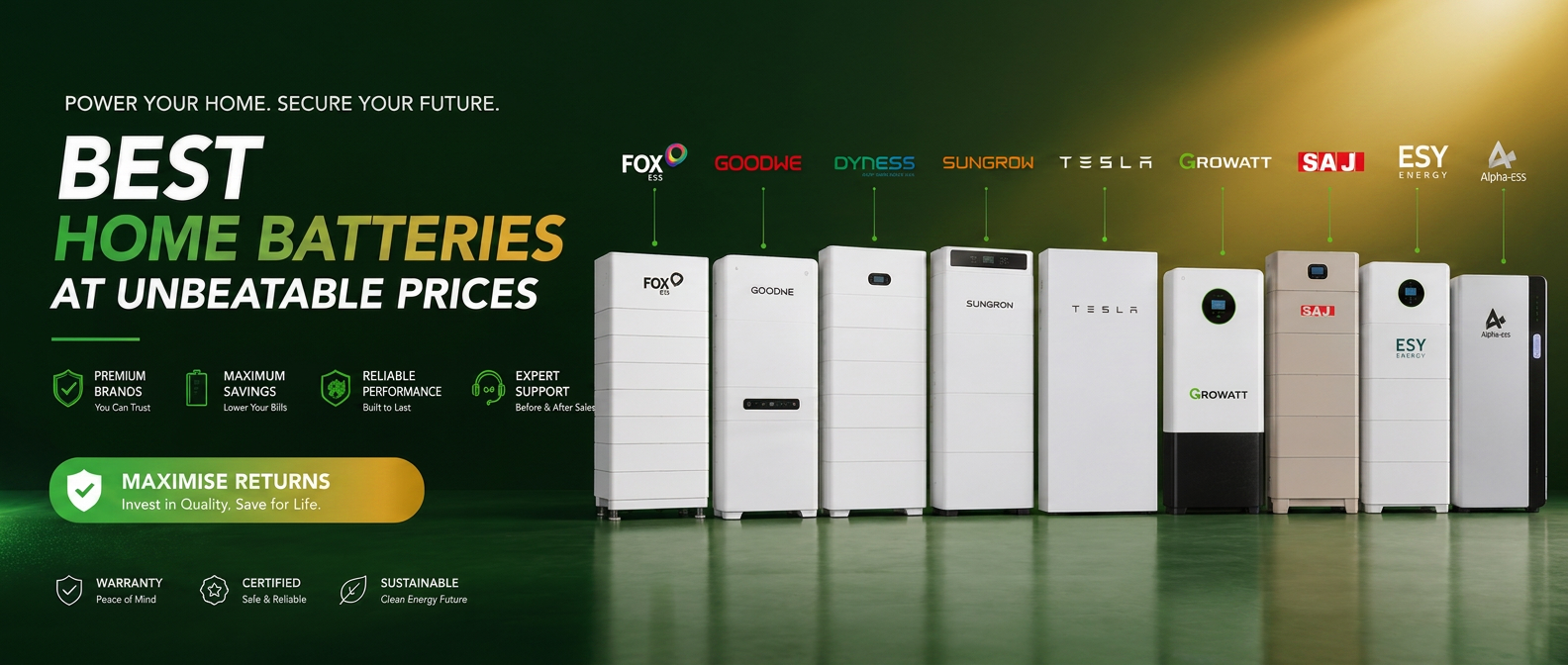
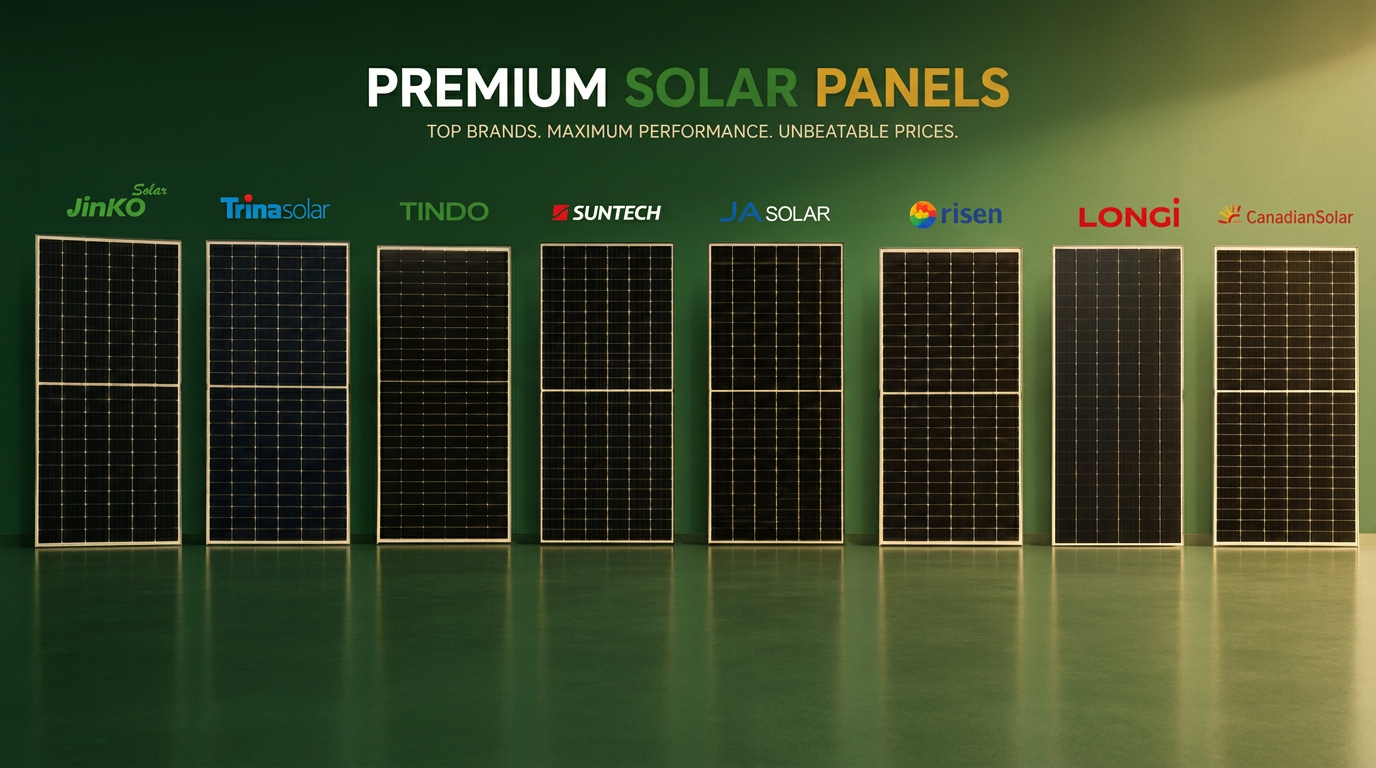
We design systems around your roof, your bills and how you use power. See our solar panel range or request a free quote.
Frequently asked questions
Want to talk through your options?
Greener Upgrade is a NETCC approved seller and VEU Accredited Provider (A003285). We install solar, battery, air conditioning and heat pump systems across Australia. Get a free, no-obligation quote.
Request a free quote