Solar panel efficiency is the percentage of sunlight that hits the panel and is converted into electricity. A panel with 22% efficiency converts 22% of the light it receives into usable power, while the rest is lost as heat.
Does higher efficiency always mean a better panel?
Not always. Higher efficiency is important when roof space is limited because you can fit more kilowatts in the same area. If you have plenty of roof space, a slightly less efficient but lower-cost panel can deliver the same total output for less money.
What types of panels are most efficient?
Monocrystalline panels, especially n-type TOPCon and HJT cells, are currently the most efficient mainstream technology. Polycrystalline panels are cheaper but less efficient and are becoming less common in Australia.
What else matters besides efficiency?
Temperature coefficient, degradation rate, warranty, build quality and brand reputation all matter. A panel that performs well in Melbourne's variable temperatures and has a low annual degradation rate will often produce more over its lifetime than a panel with a higher lab efficiency but poor real-world performance.
Choosing panels with Greener Upgrade
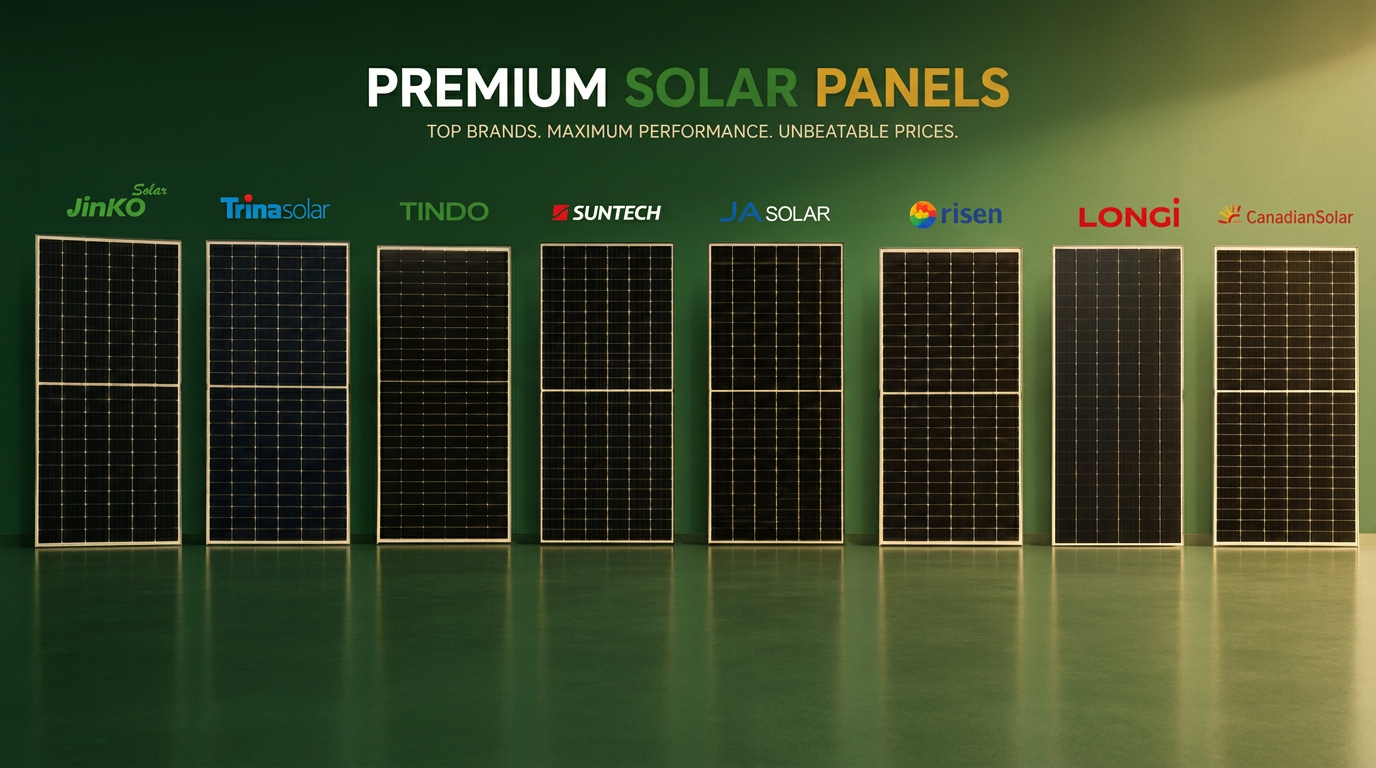
We supply tier-1 panels from brands like Jinko, Trina, Canadian Solar, JA Solar, Risen, LONGi, Tindo and Tongwei. See our full solar panel range.
Frequently asked questions
Want to talk through your options?
Greener Upgrade is a NETCC approved seller and VEU Accredited Provider (A003285). We install solar, battery, air conditioning and heat pump systems across Australia. Get a free, no-obligation quote.
Request a free quote